
On Monday 9 November, farmers, keepers, stalkers, scientists and land managers from across the UK gathered in central London for the second Schöffel Countryside Awards.
Run in partnership with the Game & Wildlife Conservation Trust (GWCT) and hosted by Coutts Landed Estates, the awards celebrate 'working conservation': practical, on-the-ground action that shows wildlife recovery, habitat restoration and food production can go hand in hand.
Why the awards matter
Much of the best conservation work in Britain happens far from public view – on remote hill ground, along riverbanks and in field margins – and much of it is privately funded. The awards exist to bring that work into the light.
“Our strapline for these awards is ‘To celebrate. To inspire. To engage,’” says Marcus Janssen, executive director of Schöffel Country. "These are the people who know the habitats and species – and the threats and opportunities they face – more intimately than anyone.”
This year drew more than 70 nominations from England, Scotland, Wales and Northern Ireland. Over the summer, the judging panel – which brings together GWCT ecologists and advisers with other experts from the sector – visited all 29 finalists, from the far north of Sutherland to the West Sussex coast.
This year's winners
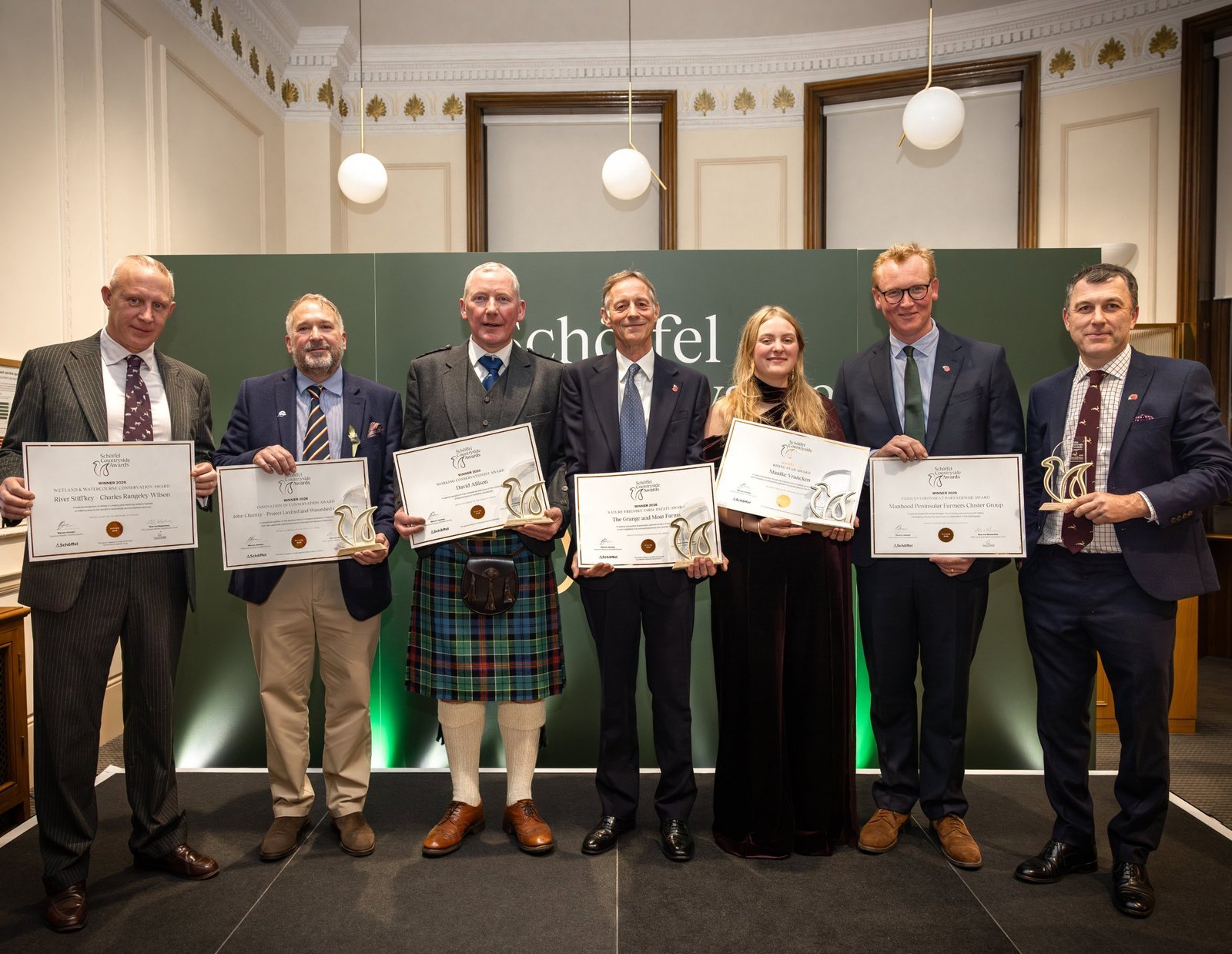
From upland estates to arable farms and chalk streams, this year's winners show just how varied working conservation can be – though two species featured prominently. Several winners are working to bring back the wild Atlantic salmon, while others have made the grey partridge their cause.
Working Conservationist Award
The Working Conservationist Award, sponsored by Mea Opus, went to David Allison, head stalker for 19 years on the Grosvenor Reay Forest Estate in Sutherland.
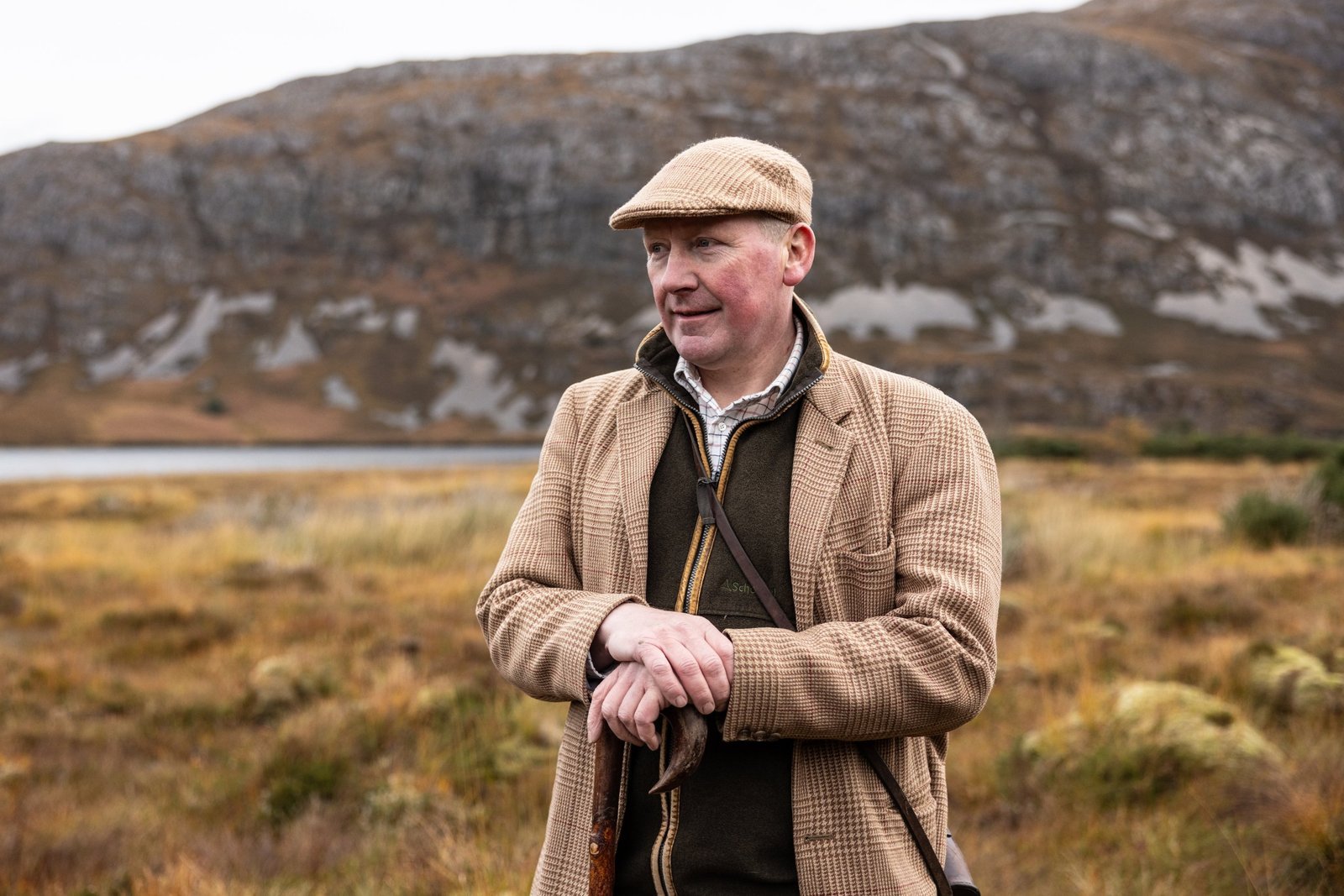
David manages deer, woodland and rivers as one connected system. Native trees are regenerating, more than a million more are being planted, and the estate is at the heart of Project Laxford, a ten-year river restoration partnership.
“Ecology is easy; psychology is much harder,” he says, alluding to the importance of working with lots of people with their own views and perspectives.
Nature-Friendly Farm/Estate Award
The Nature-Friendly Farm/Estate Award, sponsored by Oakbank Game & Conservation, went to The Grange and Moat Farms in Northamptonshire, where brothers Andrew and William Pitts farm around 600 hectares of productive arable land in a manner that has seen an array of wildlife – particularly the grey partridge – flourish and thrive.
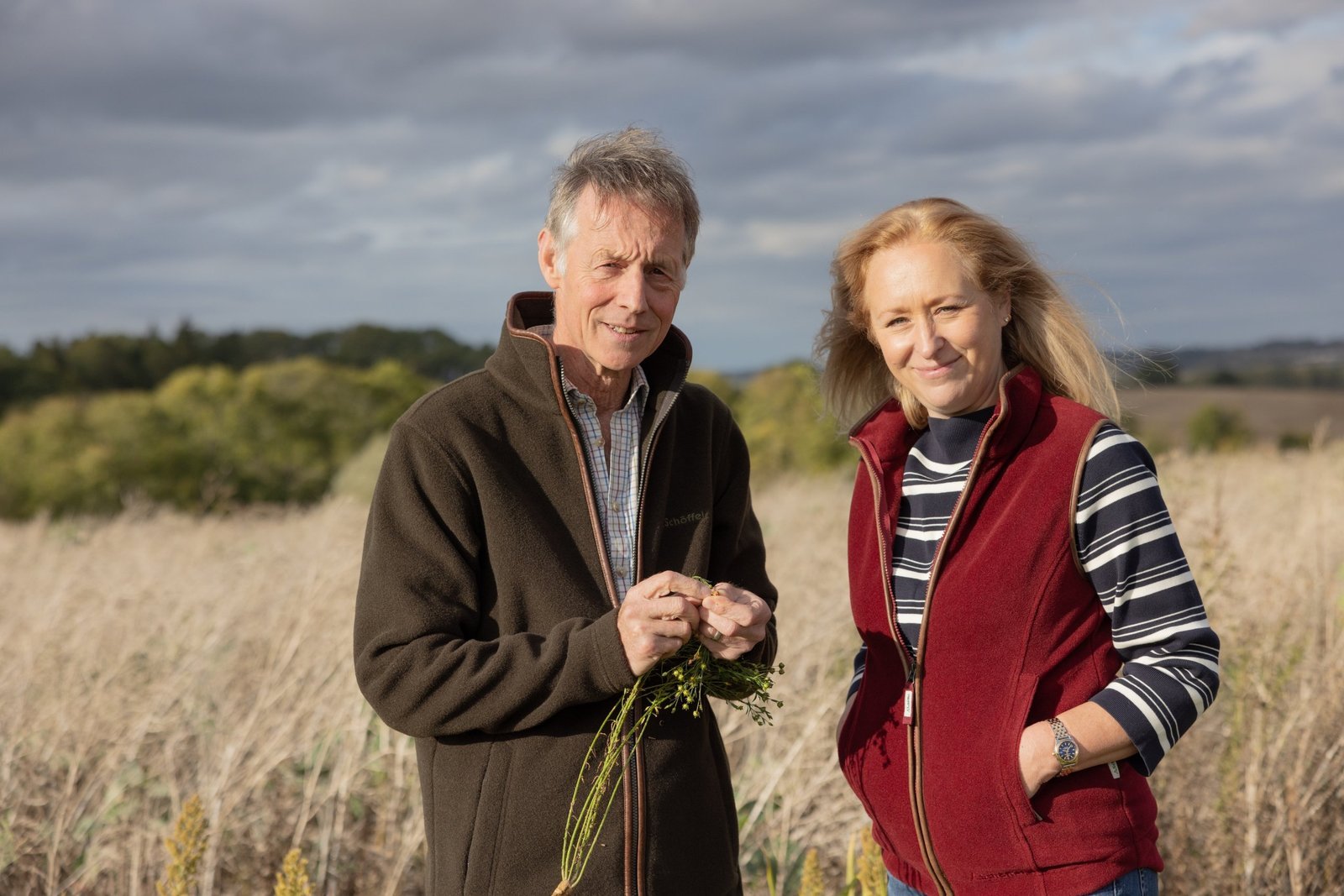
“Could Andrew and William be doing more?” the judges asked. “It is hard to see how.”
Innovation in Conservation Award
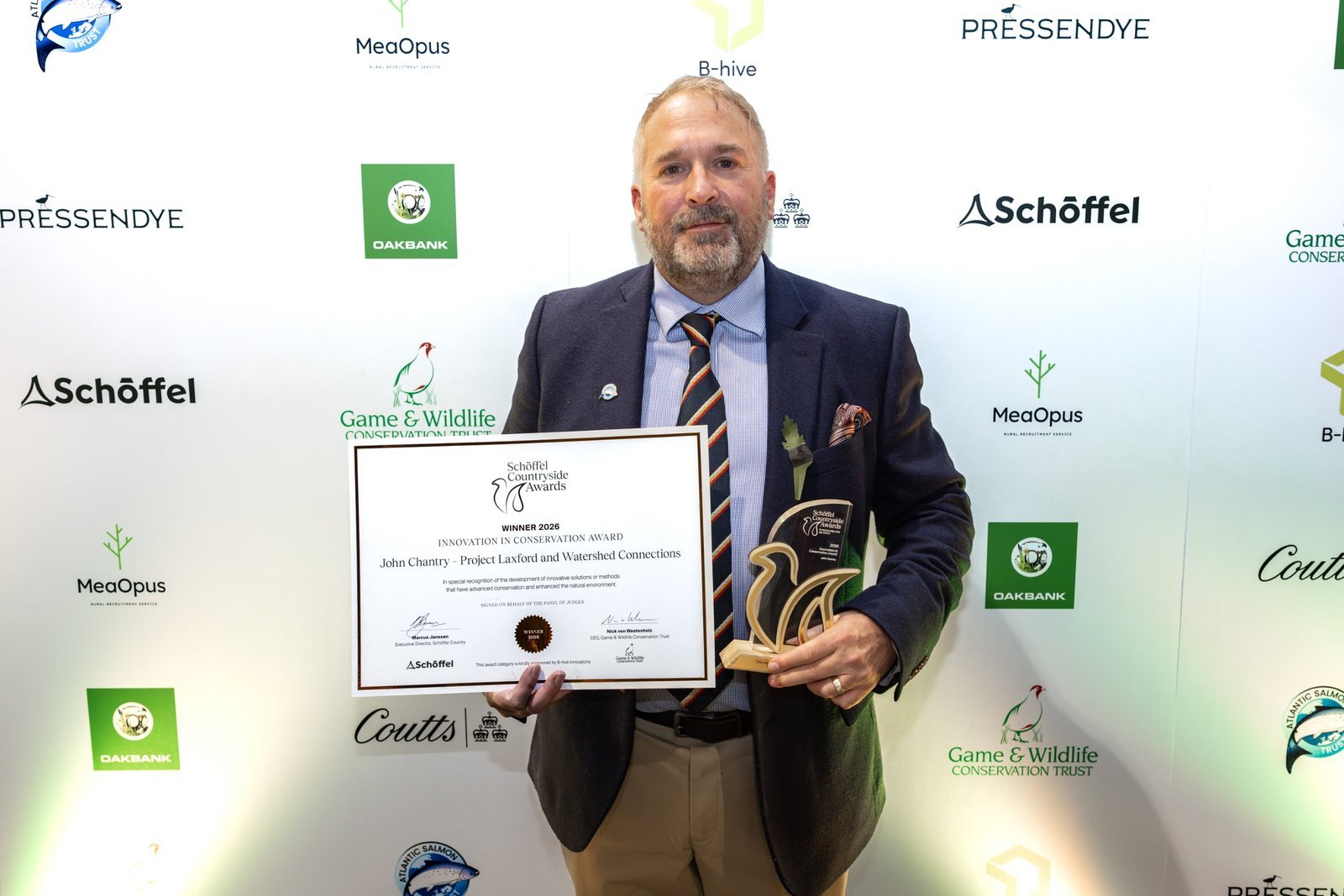
The Innovation in Conservation Award, sponsored by B-hive Innovations, went to John Chantry in Sutherland. A former cavalry officer, John developed a drone-survey method combining LiDAR, thermal imaging and 3D mapping.
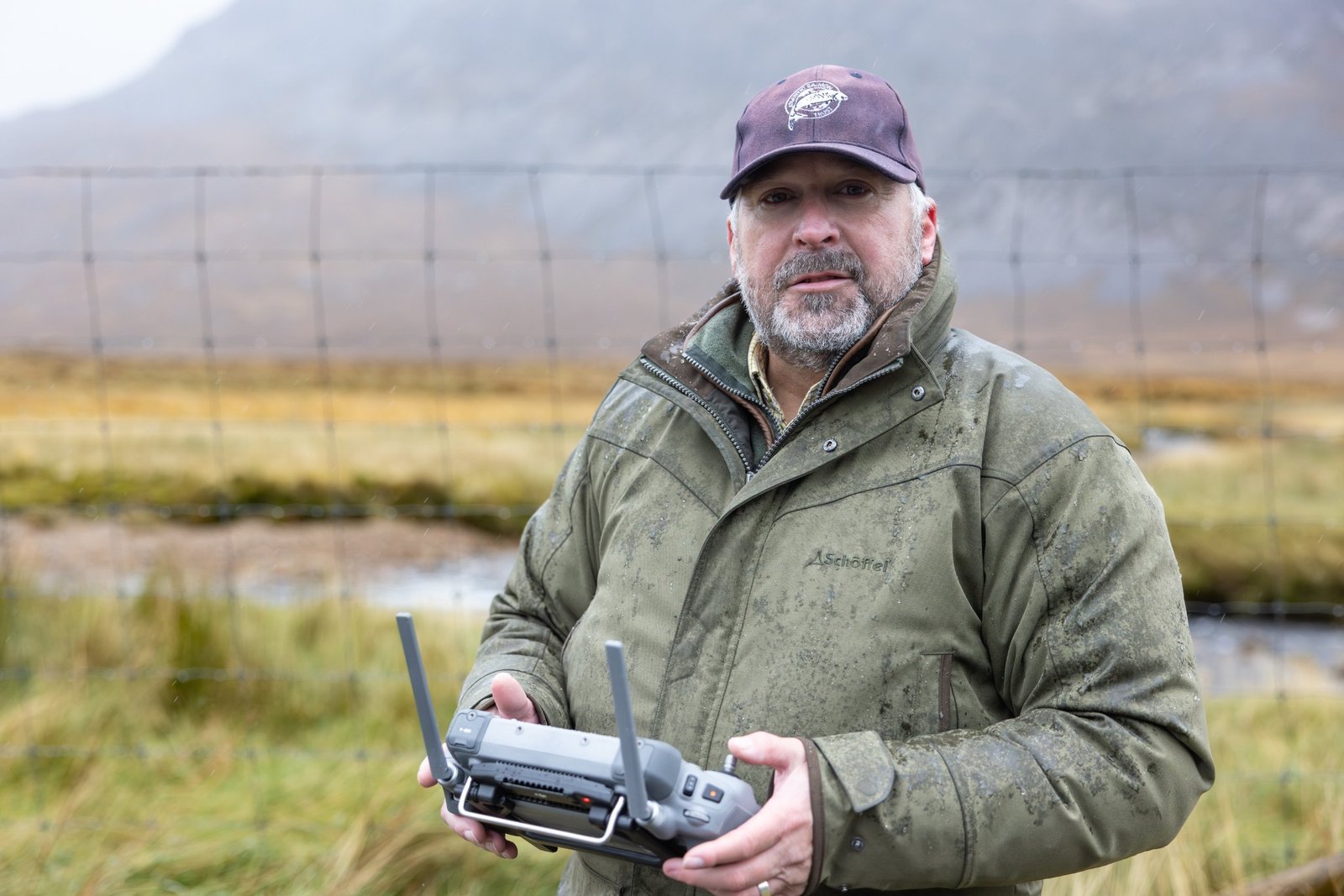
It finds the cold-water refuges fish depend on as rivers warm – around 80% faster and 60% cheaper than conventional surveys, according to the judge.
Farm-Environment Partnership Award
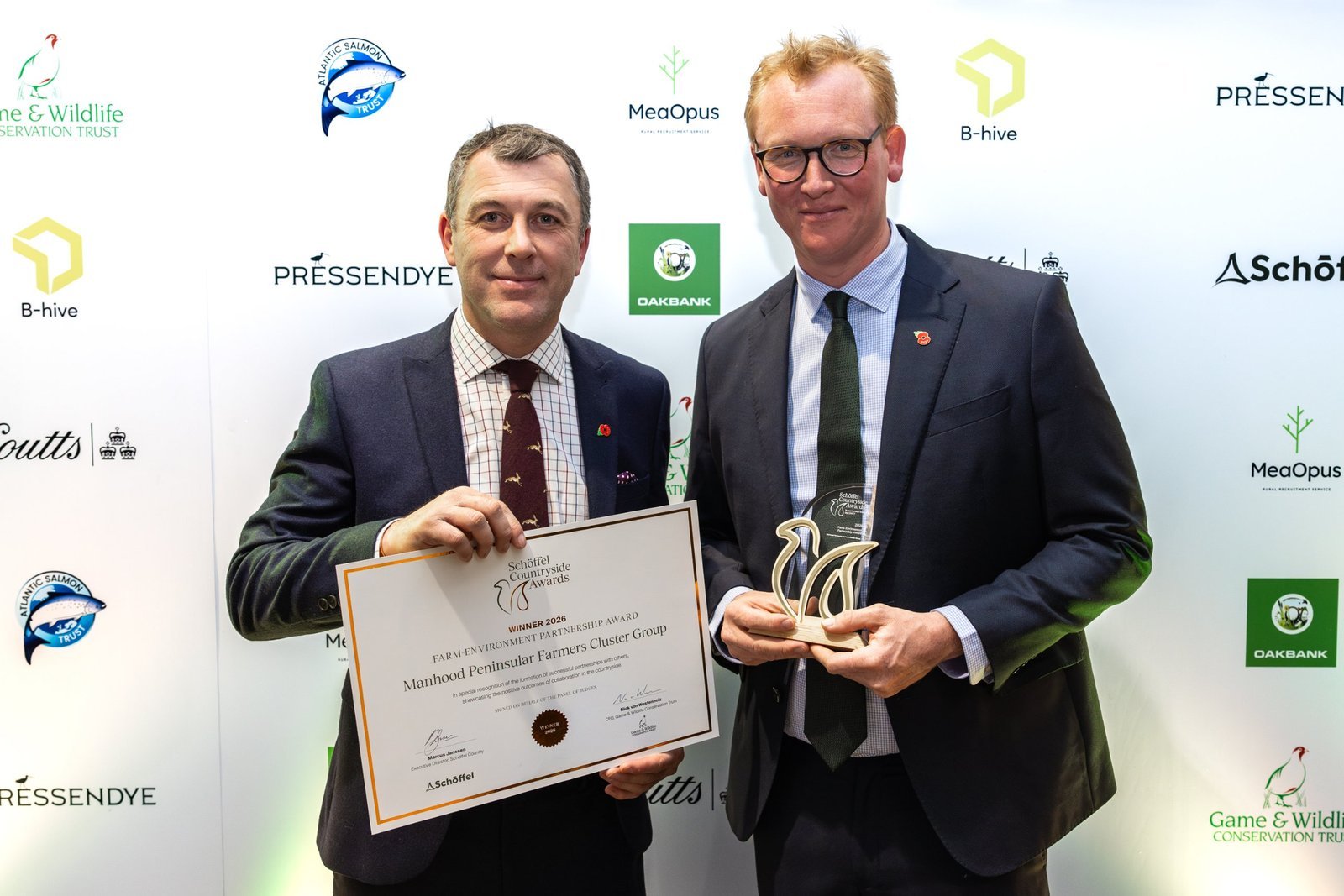
The Farm-Environment Partnership Award went to the Manhood Peninsula Farmers Cluster Group in West Sussex.
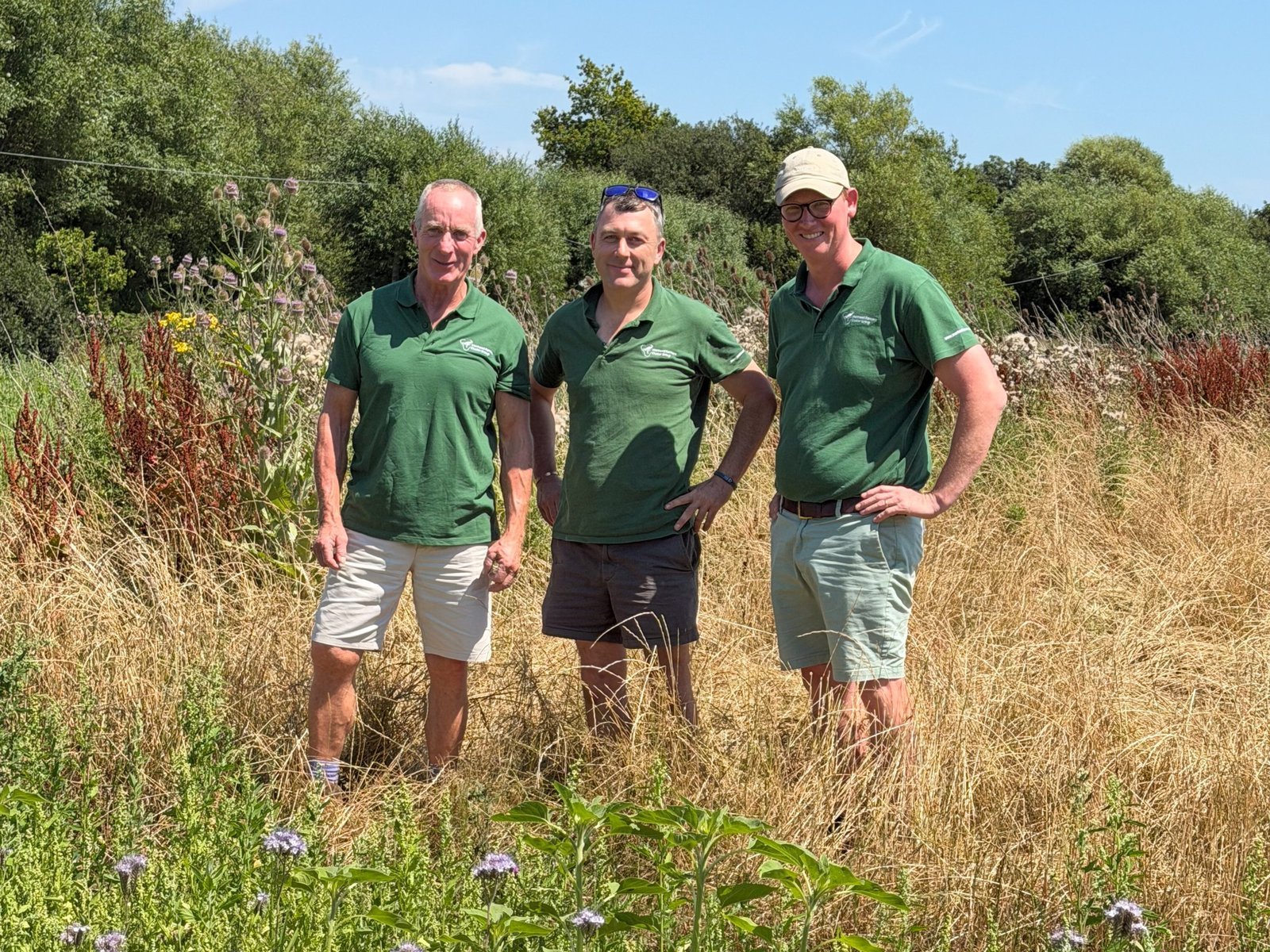
Six family farms covering almost 2,000 hectares are joining up hedgerows and habitat, and grey partridges reared under broody hens have gone on to breed in the wild.
Wetland & Watercourse Conservation Award
The Wetland & Watercourse Conservation Award, sponsored by the Atlantic Salmon Trust, went to the River Stiffkey project led by Charles Rangeley-Wilson OBE in Norfolk.
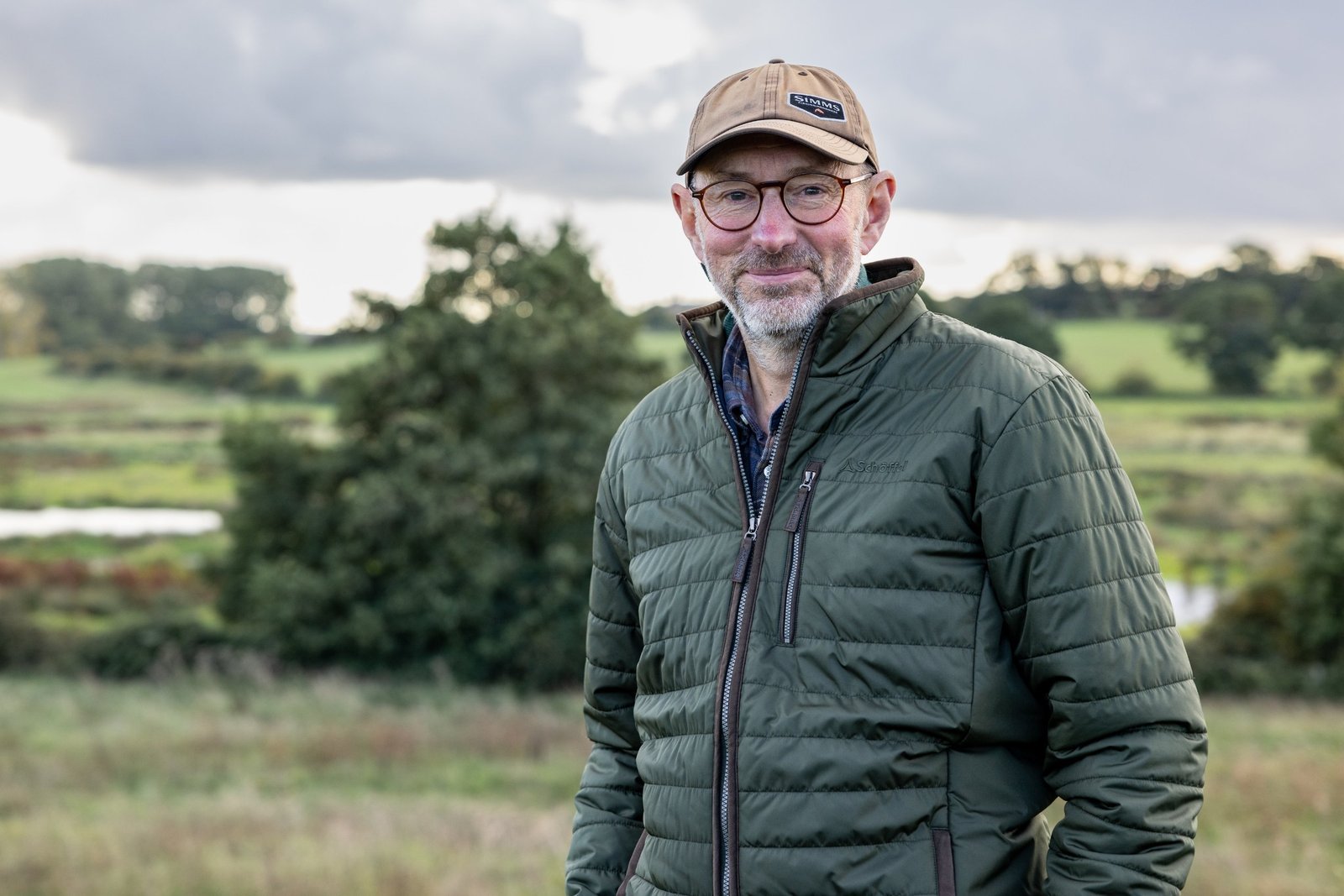
Working with Norfolk Rivers Trust and the Holkham Estate, he has returned 2.5 kilometres of chalk stream to its historic, meandering course. Water crowfoot, brown trout, kingfishers, various wading birds and otters have followed, to name a few.
Rising Star Award
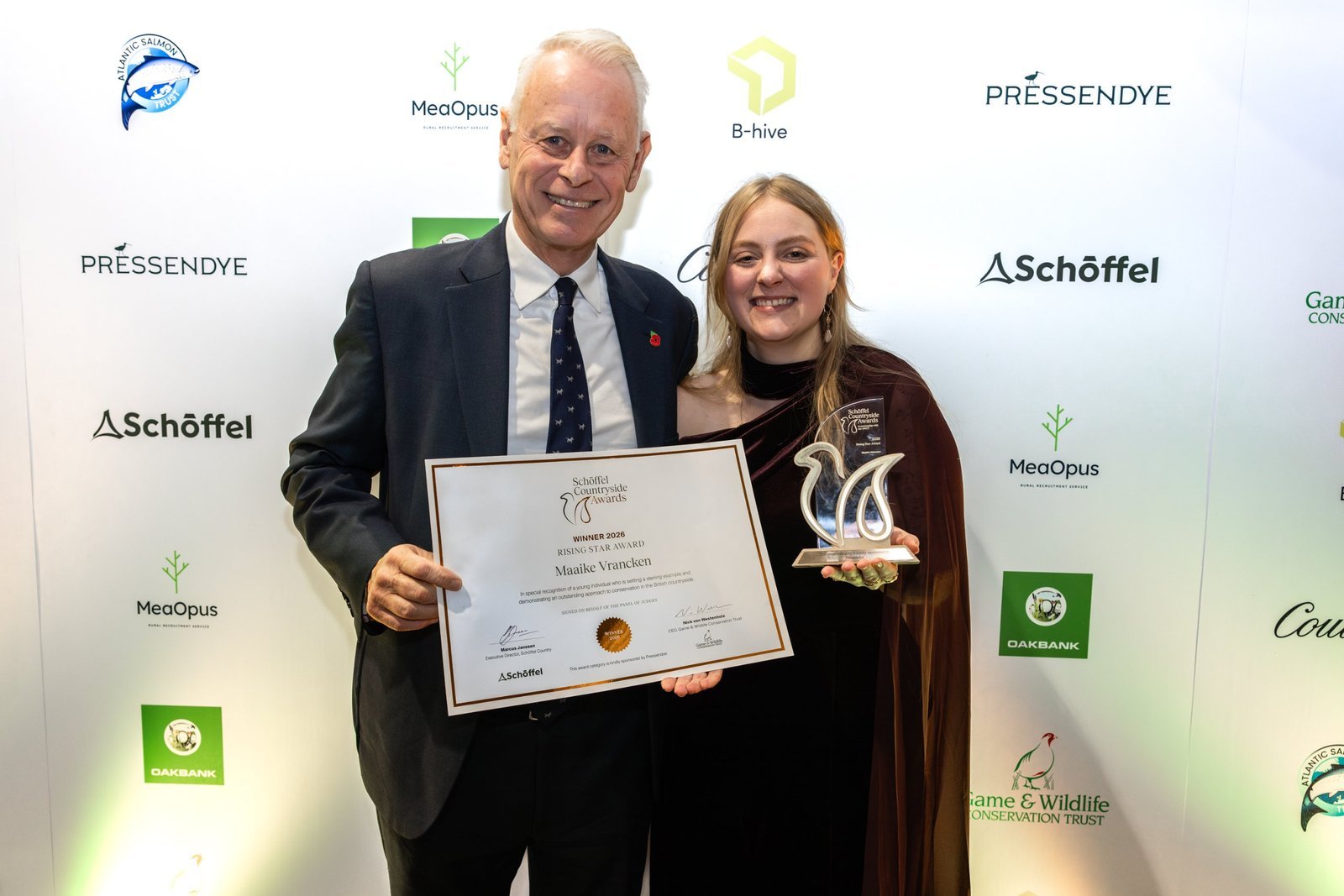
The Rising Star Award, sponsored by Pressendye, went to Edinburgh-based researcher Maaike Vrancken.
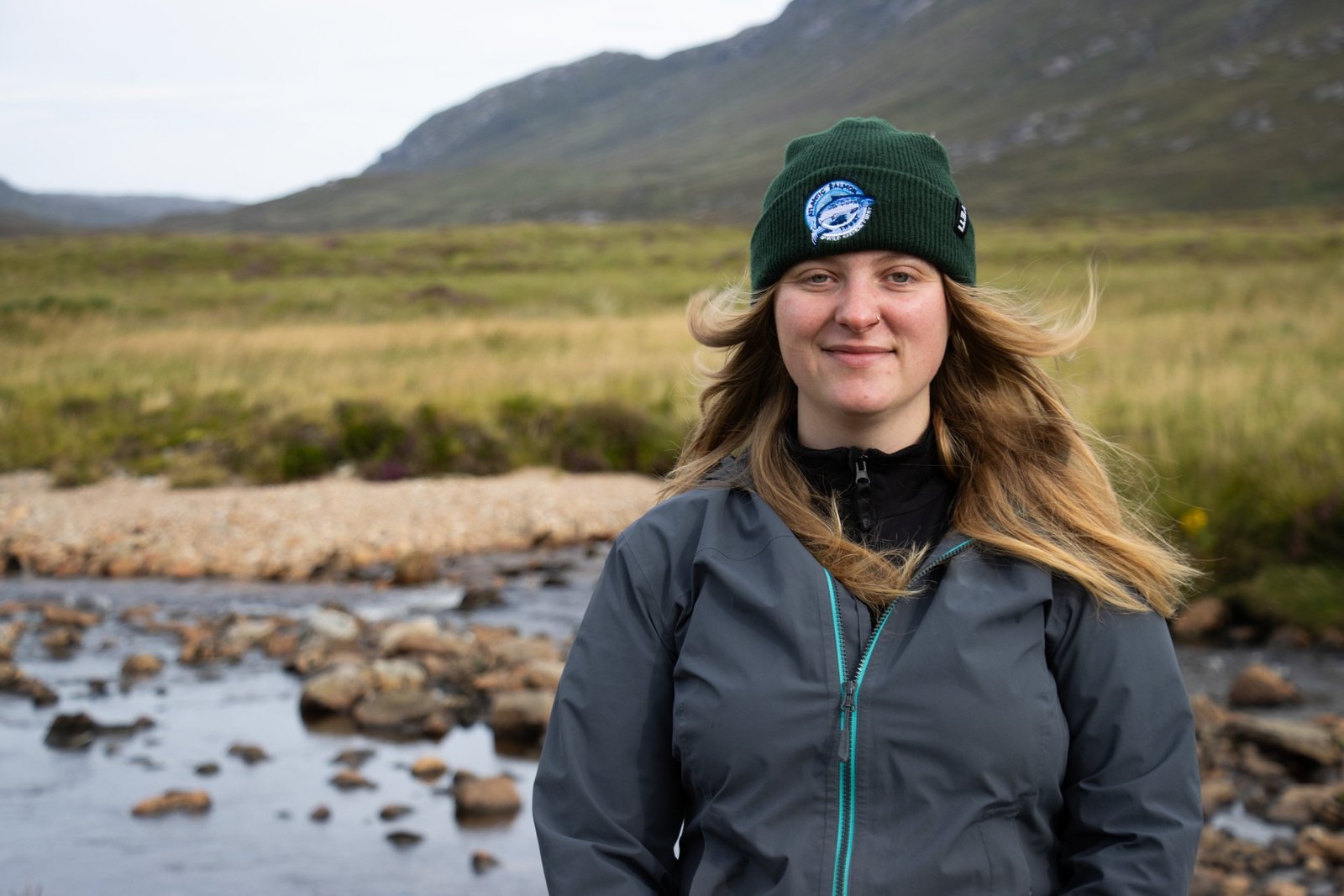
Early in her career, with the Atlantic Salmon Trust, she has co-ordinated large-scale tagging of juvenile salmon to track their survival and migration, and supports the development of AI-assisted sonar for counting fish.
What the judges said
Judge Megan Lock, GWCT senior farm environment adviser, says collaboration ran through this year's results. “Some of the most successful conservation projects are built on strong relationships, local knowledge and a willingness to work together, often across farm and estate boundaries,” she says.
“This year's winners are wonderful examples of that collaborative spirit in action… Their achievements show what is possible when people work together towards a common goal.”
GWCT chief executive Nick von Westenholz added: "This year's winners demonstrate that conservation is not simply about protecting nature but actively managing and restoring it… At a time when the future of land management is increasingly under scrutiny, it has never been more important to demonstrate, through robust scientific evidence, the benefits that these practical conservation measures deliver.”
How to enter the awards in 2027
The Schöffel Countryside Awards return in 2027, with nominations opening in January. The six categories recognise individuals, farms, estates and partnerships across the UK.
If you know someone whose work deserves recognition, keep an eye on this page for details. You may make a nomination or enter yourself.
To meet this year's winners in full, read Notes from the judges: 2026 Schöffel Countryside Awards, and watch the award films on the Schöffel Country YouTube channel.
Comments
Loading comments…
Post a comment
to post a comment.